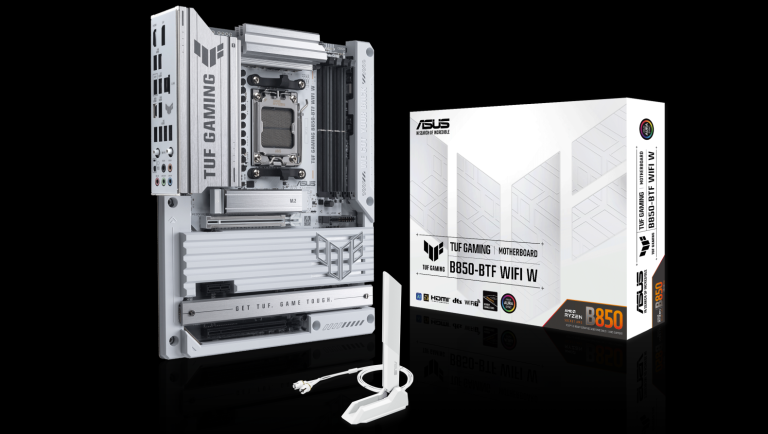

Home » Technology » Asus TUF GAMING B850-BTF Review
Cybersecurity refers to a set of actions aimed at protecting networks, information systems, and software solutions from various types of digital attacks. Most attacks are carried out to gain access to confidential data (passwords, payment details, commercial information, etc.) or to disrupt systems. As a result, users may lose important files, programs or entire systems may stop functioning, and in some cases cybercriminals demand ransom.
Effective cybersecurity is a complex and costly task because the number of digital devices now exceeds the number of people, and new attack strategies and malicious tools are constantly being created.
Core Principles of Cybersecurity
Reliable cybersecurity is possible only through multilayered protection, ensuring that all computers, digital devices, networks, email services, and sensitive data are shielded from unauthorized access. Implementing such protection requires a combination of coordinated measures involving users (employees), technologies, and properly organized processes.
Employees
Anyone with access to a computer or any device connected to a network must clearly understand and follow cybersecurity rules:
Passwords must be complex enough to reduce the risk of being cracked.
When working with email, users must remember that attachments may not be safe; suspicious files should never be opened without verification.
Important information should be backed up regularly. Databases and system software must be copied according to a schedule when automated backup is not possible.
Processes
Every organization should develop a list of essential measures to counter cyberattacks. This may be a single comprehensive plan or several, depending on the company’s infrastructure. The plan should explain how attacks will be detected, how protection will work, how threats will be identified, and how the system will respond. It should also include procedures for rapid recovery after incidents.
Technologies
One of the most critical parts of cybersecurity is technology. It provides tools that help individuals and organizations defend against cyberattacks. End-user devices (computers, tablets, etc.) require protection, as do routers, smart devices, servers, and cloud services. Popular solutions include firewalls, anti-malware tools, DNS filters, antivirus programs, and email security systems.
Why Cybersecurity Matters
The world is almost entirely connected to the internet, making robust cybersecurity essential. Everyday users risk losing valuable data such as documents or photos. Unauthorized access to accounts may lead to identity theft, financial loss, or extortion.
For organizations, losing commercial information or system functionality can cause serious damage. In critical industries—such as energy, banking, postal services, and healthcare—cyberattacks can disrupt the everyday life of entire cities or countries.
Cybersecurity experts constantly study new attack types. For example, at Talos, 250 specialists analyze emerging cyberthreats to identify vulnerabilities and develop new tools to mitigate risks.
Main Types of Cyber Threats
• Ransomware. Blocks access to files or applications until a ransom is paid. However, paying does not guarantee data recovery.
• Malware. Used to access confidential data or damage systems.
• Social Engineering. Manipulates individuals into sharing confidential information, often involving psychological tricks, fake requests, threats, or impersonation.
• Phishing. Involves sending fake emails that resemble legitimate messages from banks or social networks. The goal is to steal personal information. This is one of the most common attack vectors. Effective protection requires both technological filtering and user awareness.
Cybersecurity has become an essential part of using any digital device today. Protect yourself and your organization to avoid becoming a victim of digital attacks.